

Salt efflorescence removal
Cleaning machines of systeco
without high pressure, water and chemicals!
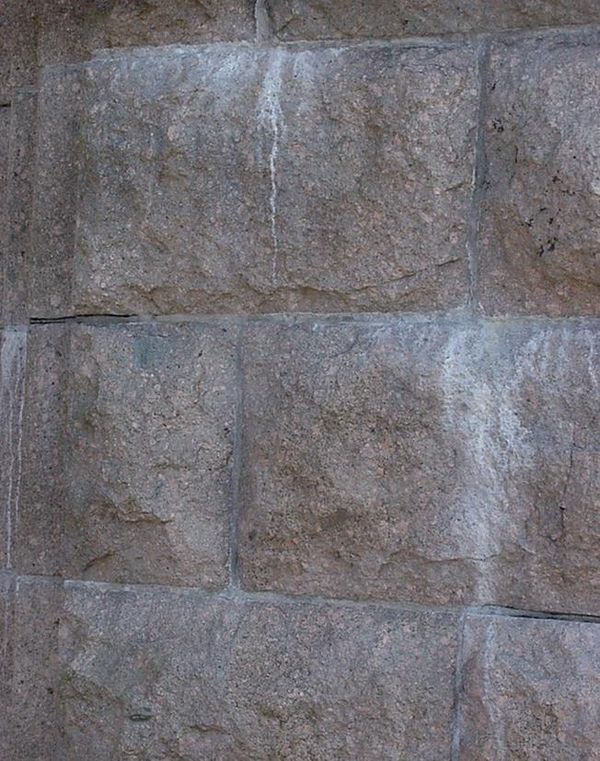
Efflorescence on house facades develop though crystallization of salt. Mostly the cause of it is moisture, which infiltrates into the brickwork, but also excrement can cause salt efflorescence. The effects are fatal. Visually, efflorescence are shown as unsightly white stains on the facade surface, which can be removed with systeco´s cleaning machine Tornado ACS completely environmentally friendly.
Salt efflorescence removal - with cleaning machines Tornado ACS
With the innovative vacuum blast method, salt efflorescence is completely removed from brick walls and grouts without damaging the surface. The debris is not spread into the area like it would happen with the pressure washer, but instead it is caught in the filter system of the cleaning equipment. It remains a clean facade and a clean environment.
The cleaning equipment of systeco can be used wherever a normal power connection of 230 is available. To clean facades no permission is necessary, and while working on busy streets no barriers are required. On top of all, the cleaning equipment of systeco is very low in noise.
When it comes to salt efflorescence removal, there is nothing better than the cleaning technology Tornado ACS. The unbeatable cleaning power of the vacuum blast method, which can remove even the most stubborn efflorescence and the simple handling, has already convinced many house owners throughout Germany.
For further information about our cleaning equipment, Tornado ACS, take your time in checking our website.
Salt efflorescence removal
Cleaning machines of systeco
without high pressure, water and chemicals!
Efflorescence on house facades develop though crystallization of salt. Mostly the cause of it is moisture, which infiltrates into the brickwork, but also excrement can cause salt efflorescence. The effects are fatal. Visually, efflorescence are shown as unsightly white stains on the facade surface, which can be removed with systeco´s cleaning machine Tornado ACS completely environmentally friendly.
Salt efflorescence removal - with cleaning machines Tornado ACS
With the innovative vacuum blast method, salt efflorescence is completely removed from brick walls and grouts without damaging the surface. The debris is not spread into the area like it would happen with the pressure washer, but instead it is caught in the filter system of the cleaning equipment. It remains a clean facade and a clean environment.
The cleaning equipment of systeco can be used wherever a normal power connection of 230 is available. To clean facades no permission is necessary, and while working on busy streets no barriers are required. On top of all, the cleaning equipment of systeco is very low in noise.
When it comes to salt efflorescence removal, there is nothing better than the cleaning technology Tornado ACS. The unbeatable cleaning power of the vacuum blast method, which can remove even the most stubborn efflorescence and the simple handling, has already convinced many house owners throughout Germany.
For further information about our cleaning equipment, Tornado ACS, take your time in checking our website.