Reverse Graffiti: Sustainable Advertising with a Wow Effect
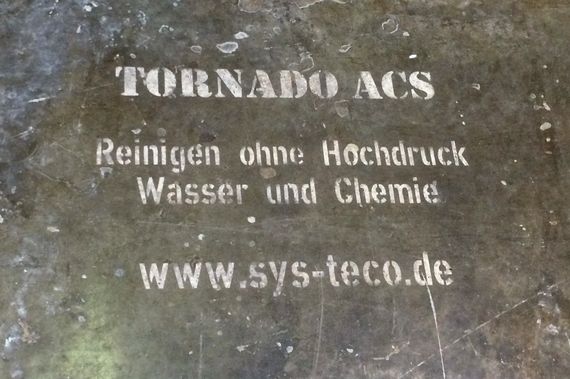
Reverse graffiti is a creative, eco-friendly form of outdoor advertising where no paint is applied—instead, dirt is selectively removed. The design is created by cleaning soiled surfaces such as sidewalks, building walls, underpasses, or public squares. The result is an eye-catching, high-contrast “clean tag” that grabs attention without traditional spray paint or posters.
What Exactly Is Reverse Graffiti?
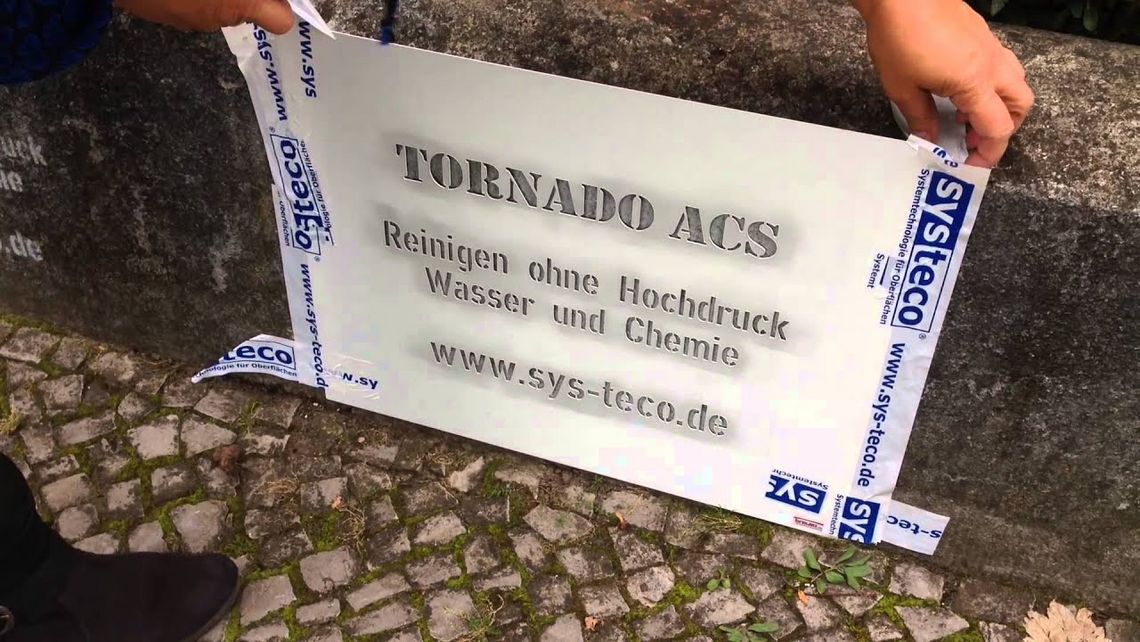
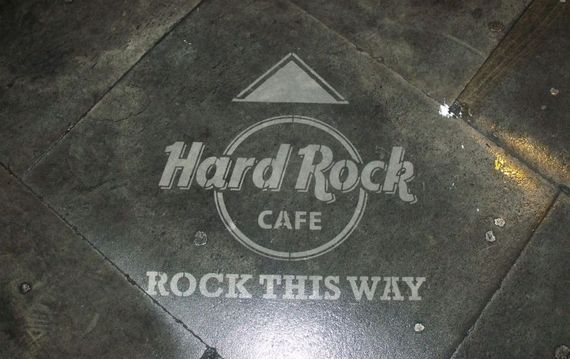
With reverse graffiti, a stencil is placed on the surface and the area inside the shape is cleaned—often using water, brushes, or low-/high-pressure cleaning methods depending on the substrate. This creates an image, logo, or slogan as a clean area in contrast to the surrounding dirt. The technique is also known as clean advertising or clean graffiti.
Benefits of Reverse Graffiti for Businesses and Municipalities
Reverse graffiti advertising combines visibility with sustainability and is ideal for brands and organizations that want to communicate a modern, creative, and responsible image.
Key benefits at a glance:
- Eco-friendly: No paint, no solvents—often water is enough.
- High attention: The unusual look sparks curiosity and stops people in their tracks.
- Cost-effective: No poster fees, no printing costs, no adhesive residue.
- Flexible: Perfect for campaigns, events, promotions, and pop-up marketing.
- Shareable & viral: Reverse graffiti is highly photogenic—great for social media.
Where Does Reverse Graffiti Work Best?
Reverse graffiti works best where a strong contrast can be created—typically on slightly dirty surfaces. Popular locations include:
- Sidewalks and pedestrian zones
- Concrete areas and underpasses
- Façades, walls, and industrial surfaces
- Event locations and trade fair surroundings
- Entrances and exits of malls or train stations
Reverse Graffiti Advertising: Designs, Logos, and Campaigns
With reverse graffiti advertising, you can create logos, QR codes, hashtags, short messages, or directional markings. It’s especially effective when paired with a clear call to action such as “Scan to win,” “Follow this way,” or “Learn more.” This turns clean advertising into a striking, measurable outdoor marketing channel.
Important: Permits and Surface Considerations
Even though reverse graffiti “only” cleans, it can still be classified as advertising in public space. Depending on the city and location, permits may be required, especially on municipal sidewalks or protected/heritage sites. Surface selection matters too—different materials require different cleaning intensity and methods.
Reverse Graffiti with Vacuum Blasting
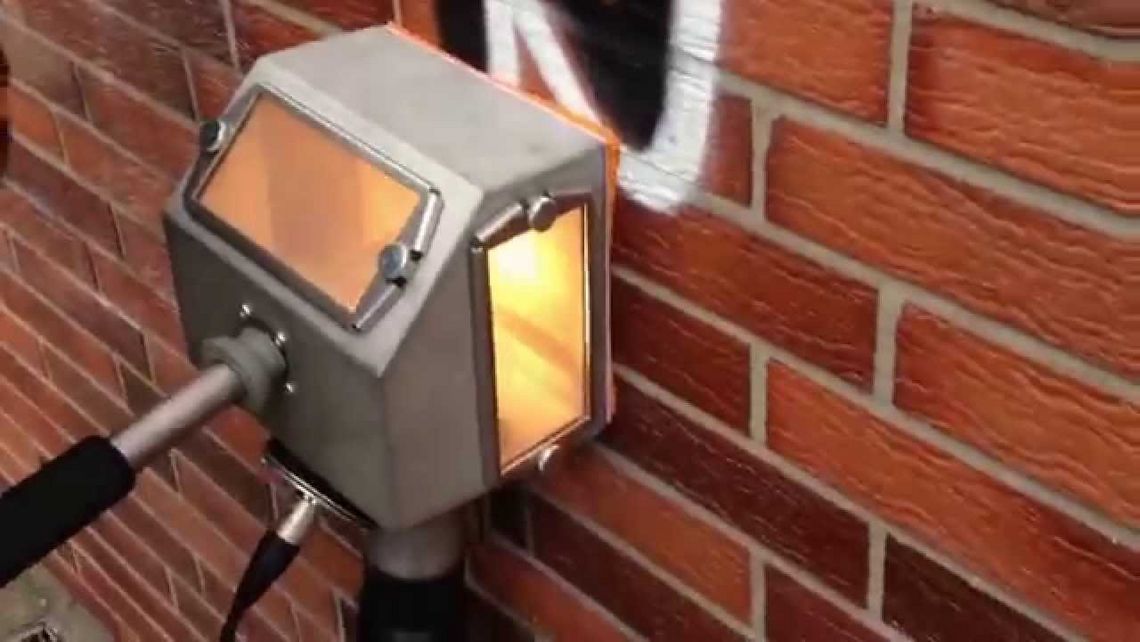
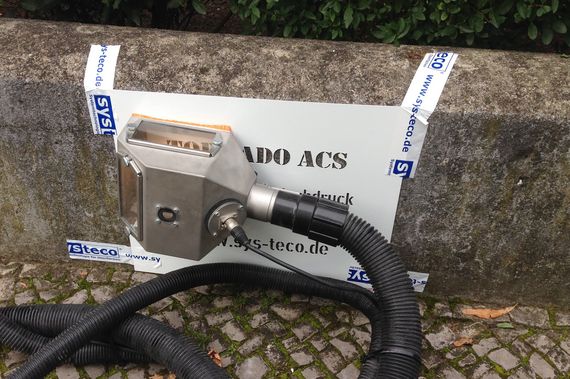
Vacuum blasting is an especially clean and environmentally friendly way to create reverse graffiti. This method can be used to enhance unattractive façades or floors, while also enabling targeted advertising messages.
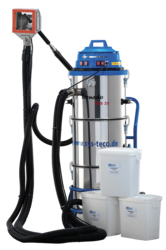
Using a stencil and the dedicated systeco vacuum blasting system, these “negative images” can be applied quickly, precisely, and sustainably to almost any surface—delivering highly visible results for modern, eco-conscious outdoor advertising.


Reverse graffiti in large format
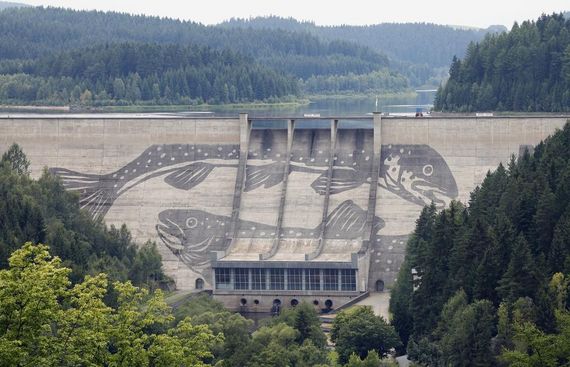
Only small reverse graffiti can be created with the template. However, you can also create very large reverse graffiti, such as on this dam. The artwork "Fisch-Reich" is by Klaus Dauven and was created in 2012. Only part of the surface is cleaned. Of course, this requires a lot of skill and good spatial awareness.
The use of vacuum blasting technology would not make sense here. The area is simply too large and access is very difficult.
This might also interest you:
Vacuum blasting technology can do much more. The spectrum ranges from graffiti removal to photo engraving. The environmentally friendly cleaning machine works without high pressure, without water and without chemicals.