Removing efflorescence - cleaning technology Tornado ACS
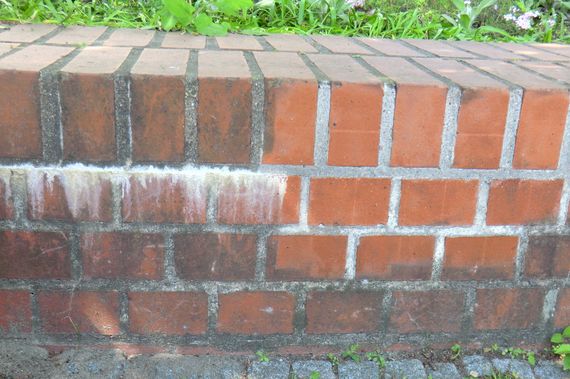
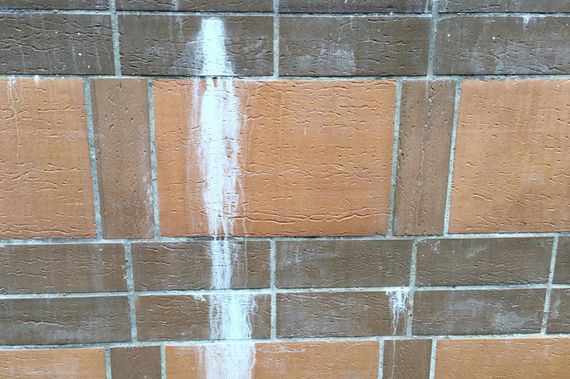
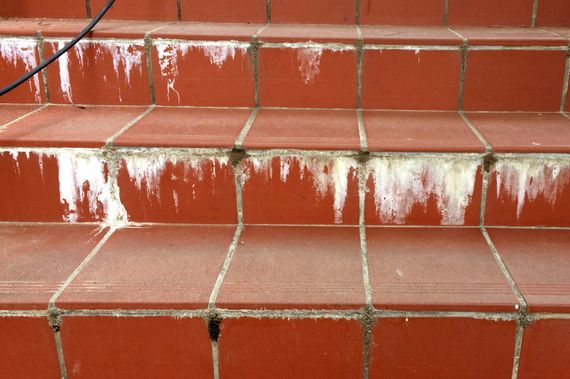
Brick facades or natural stone walls on which you can find efflorescence appear unkempt and unsightly. Efflorescence is formed by the oxidation of nitrogen-containing organic substances, such as for example animal excrement in connection with lime from walls. The results are unsightly white slides, which are called efflorescence.
Removing efflorescence, but how?
One way to do this is using commercial chemical nitric removers and to take off efflorescence with a brush by hand.
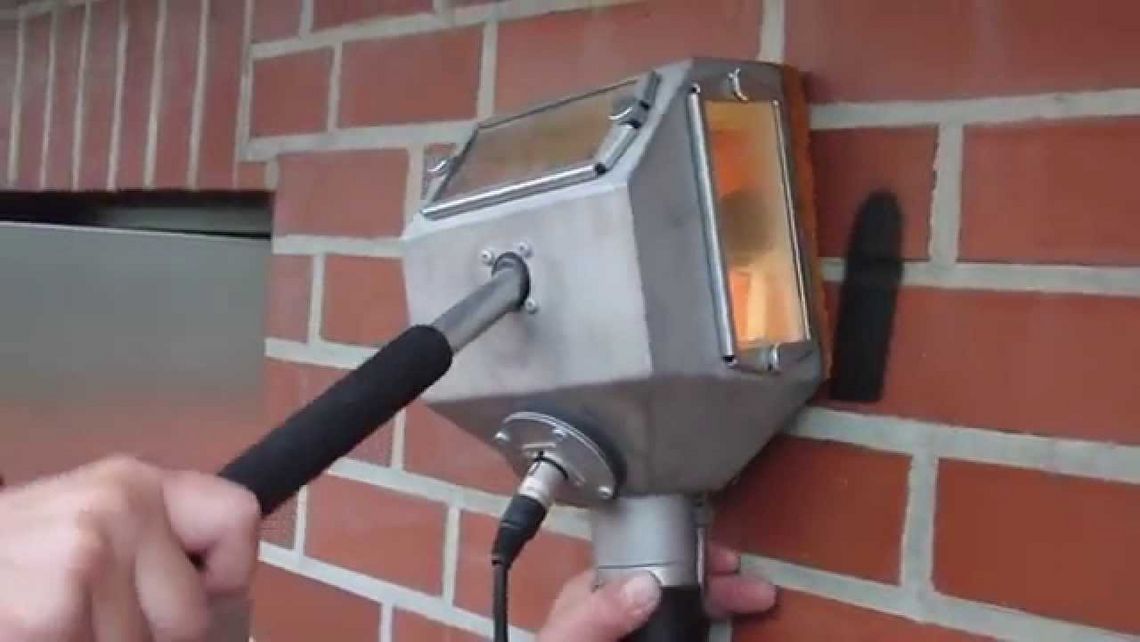
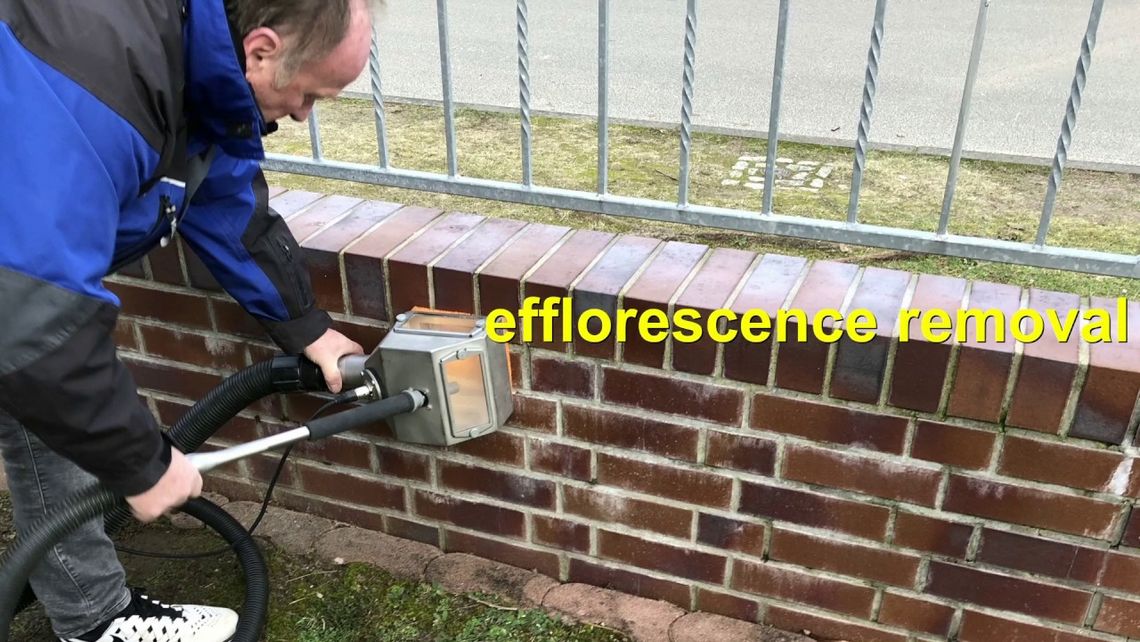
A much simpler and environmentally friendly method for removing efflorescence is the cleaning machine Tornado ACS with its unique vacuum blasting method.
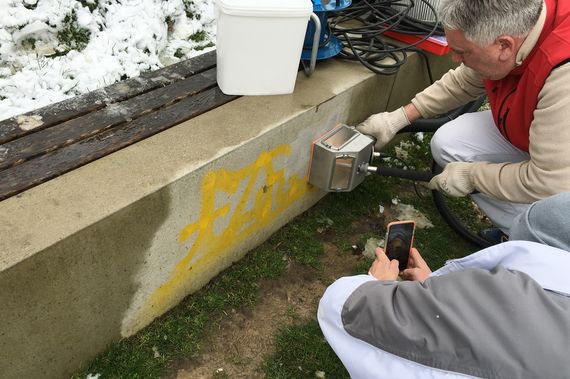
The cleaning equipment Tornado ACS is easy to handle and can be used indoors as well as outdoors. Residue-free the efflorescence is removed from the masonry, whereby stones and grouts are completely cleaned.
It requires no prior knowledge, the physical effort to use the machine is at a minimum, and there are no special safety measures needed.
This environmentally friendly cleaning technology is the perfect alternative to classic sandblasting, so the dry ice blasting and the high pressure cleaner are not comparable with this unique cleaning method.
Removing efflorescence, environmentally safe!
The innovative cleaning technique works in a closed cycle, which doesn't allow substances to penetrate to the outside. The waste disposal only takes place when the filter is cleaned. If you want to remove efflorescence from your house facade sustainably and well-kept, take advantage of the cleaning technique Tornado ACS. The revolutionary vacuum blast method will convince you

How to Remove Saltpeter
Efflorescence Sustainably and Thoroughly
Removing saltpeter makes sense as soon as whitish streaks and crusty deposits appear on clinker brick facades or natural stone walls. These so-called saltpeter efflorescence deposits can quickly make a facade look neglected—and they are more common than many people think. Saltpeter forms when nitrogen-containing organic residues (e.g., animal droppings) react with moisture, causing components from the masonry to migrate to the surface. As the wall dries, the typical light-colored deposits remain.
Removing Saltpeter—But How?
Many people use chemical saltpeter removers and try to scrub the deposits off by hand with a brush or paintbrush. While this can work in some cases, it is time-consuming and not always ideal depending on the substrate—especially if you want to avoid aggressive cleaners.
A far more effective and environmentally friendly solution for removing saltpeter is the Tornado ACS cleaning machine with its special vacuum blasting technology.
Tornado ACS: Remove Saltpeter Without Chemicals and Without Mess
The Tornado ACS is easy to operate and suitable for both indoor and outdoor use. During application, the saltpeter is removed dry and without residue—stones and joints are thoroughly cleaned without unnecessarily soaking the substrate. The process is designed to keep effort low: no complicated prior knowledge, minimal physical strain, and a controlled workflow.
Removing Saltpeter—Eco-Friendly in a Closed-Loop System
The cleaning technology from systeco works in a closed system: abrasion and dust are captured directly, so there is significantly less dirt at the work site. The residues are collected within the system and then removed and disposed of during filter cleaning. This makes saltpeter removal especially practical—even in sensitive areas, on occupied buildings, or during ongoing operations.
Conclusion: A Clean Facade Through Professional Saltpeter Removal
Anyone looking for a sustainable, thorough, and environmentally friendly way to remove saltpeter will find a convincing solution in the Tornado ACS from systeco. Your facade will look clean, well maintained, and permanently more valuable—without chemical cleaners and without unnecessary impact on people or the environment.
You might also be interested in:
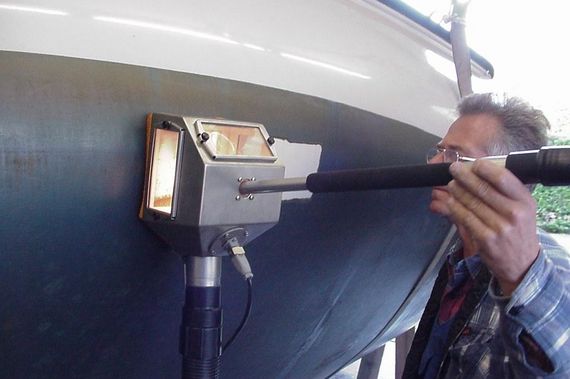
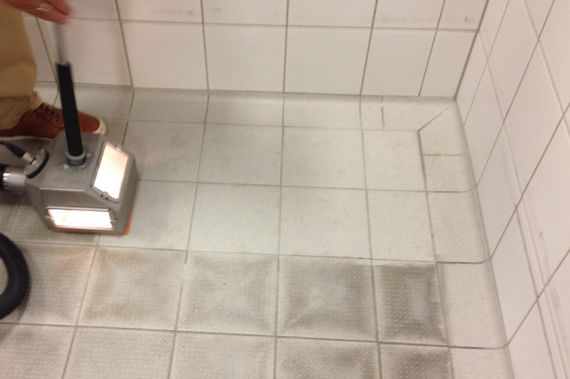
With the eco friendly vacuum blasting technology from systeco one can not only remove efflorescence. The application possibilities of the Tornado ACS system are very diverse.